
Exhibit Layouts

Exhibit Layouts

By Dr. Graham Young, past Curator of Palaeontology & Geology


Last week, in our lab and in the small layout room next door, we were juggling specimens for two Earth History Gallery exhibits. We are developing a timeline that will lead the visitor from the formation of the Earth (4.5 billion years ago) right up to the Ordovician Period of our Ancient Seas exhibit (about 450 million years ago). This timeline will feature quite a number of unusual geological specimens and reconstructions, each of which will be placed in a little case. So there was a group meeting of the people involved: the designer, collections staff, conservators, and me. We contemplated each specimen, as I lifted them in turn to show how they should be oriented and placed. In the course of an hour or so, we contemplated a piece of the oldest rock in the world, a banded iron formed on an early seafloor, some beautiful Cambrian sponges, and many other pieces. I can hardly wait to see these installed in the exhibit, but that is still a couple of months off.  We are continuing to work together on the “look” of the exhibit; more of that in my next post.
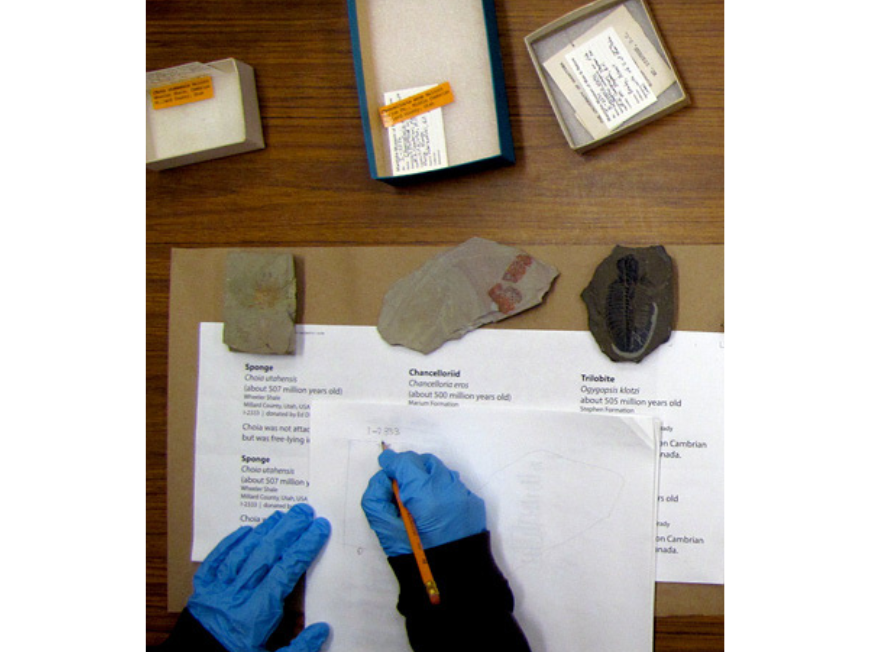
Photo looking down to a desk where some one's hands are in frame writing notes in paper with specimens placed along the top.

Specimens for the Cambrian exhibit are laid out on a lab table together with a draft design of exhibit copy (those hands belong to conservator Lisa May).
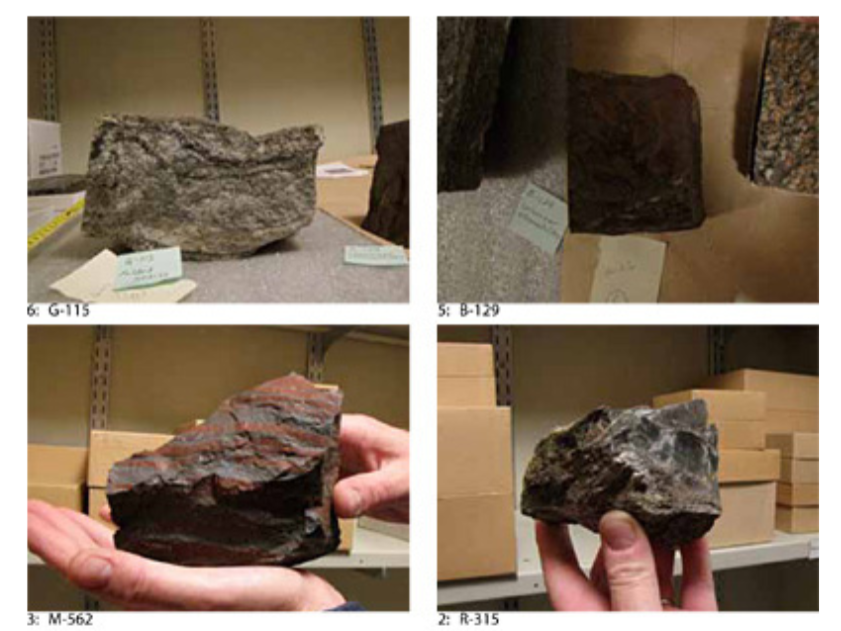
Four images of varying specimens, some on shelves, some held in the photographer's hand.

As exhibits are planned, specimens are photographed as they will be oriented on mounts. Then the conservators and technical staff get to work to produce the beautiful permanent supports. These are some of the Precambrian rocks and fossils that will be placed in the timeline exhibit.

Meanwhile, the final specimens for our Ancient Seas exhibit were being “staged,” along with their mounts, prior to being moved downstairs for final installation in the Earth History Gallery. The main part of this exhibit was opened early in the spring, but some of the specimen installation and lighting were delayed until now because mount-making and light installation are very laborious tasks and cannot be rushed.

At the end of last week and start of this week, we placed specimens into special “windows” that had been cut into the boxes of the Ancient Seas info rail, so that the visitors will be able to see at least one fossil for every kind of creature depicted in the video animation. As the job is complicated, we were only able to install a couple of specimens each day.
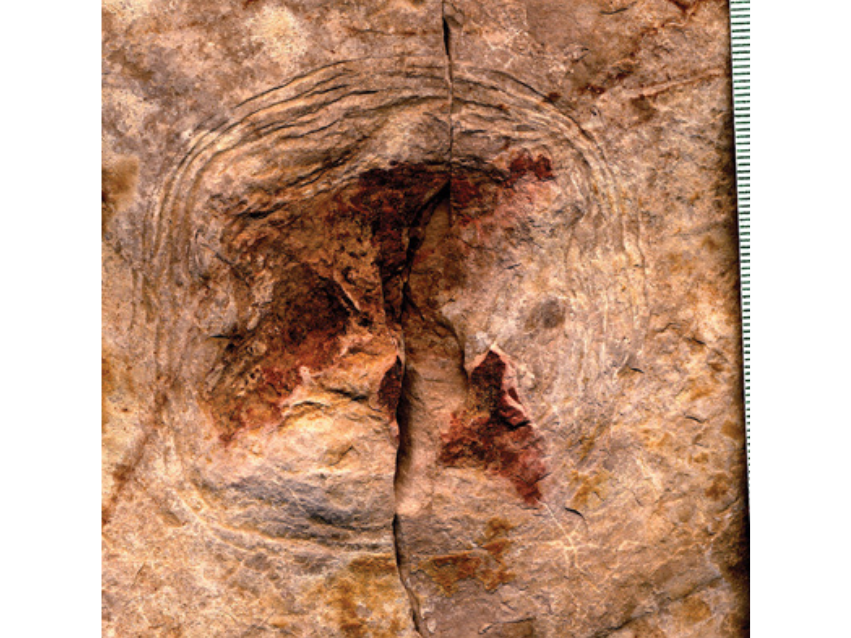
Close-up on a fossilized jellyfish.

This splendid Ordovician jellyfish from central Manitoba was inserted into a case in the Ancient Seas interpretive rail a couple of days ago.
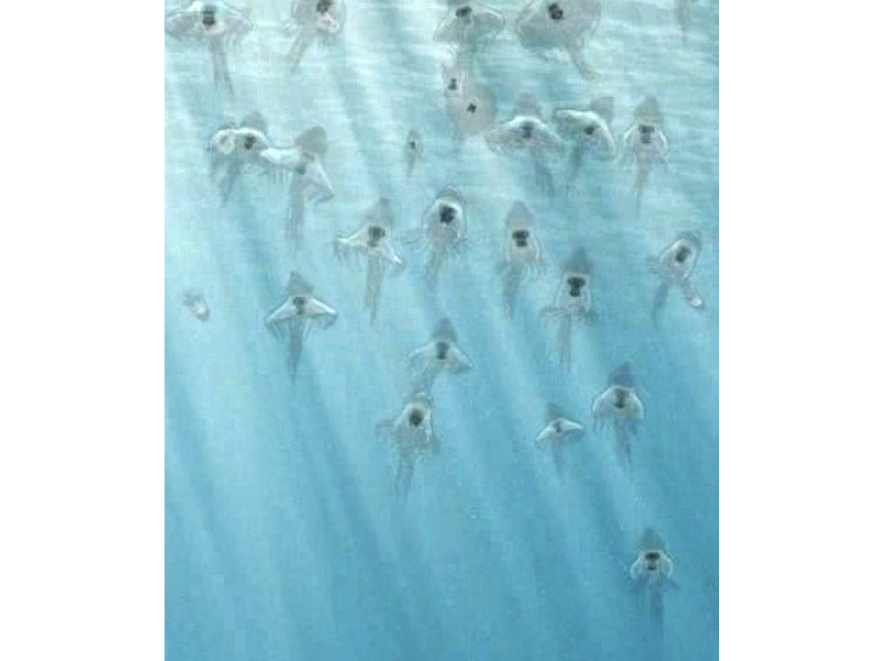
Close-up on an illustration of a group of jellyfish swimming in blue water in the Ancient Seas exhibit of the Manitoba Museum.

The animated jellyfish in Ancient Seas are based on the fossil jellies from central Manitoba.
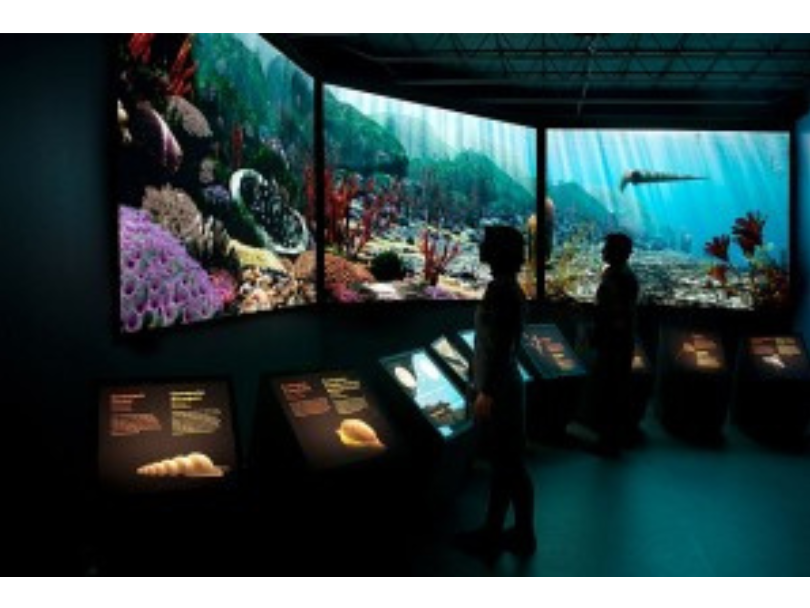
The Manitoba Museum Ancient Seas exhibit, a large curving screen along a wall showing animation of a view of a tropical sea with the silhouettes of two individuals engaging in the exhibit.

Under the guiding eye of designer Stephanie Whitehouse, technical wizards Bert Valentin and Wayne Switek sorted out the complicated fibre optic lighting and mounts, then they worked with conservator Lisa May to place each specimen in exactly the right position. I came in toward the end of each installation to serve as quality control on the placement and lighting (or as chief pain, perhaps), then each case was closed up and ready for the public. The exhibit is now absolutely, finally, 100% complete, and it is gorgeous!


Image: The Ancient Seas exhibit, in a photo from earlier this year. This week, we finished installing the final specimens in cases in the rail in front of the video.
A Typical (or is that atypical?) Day

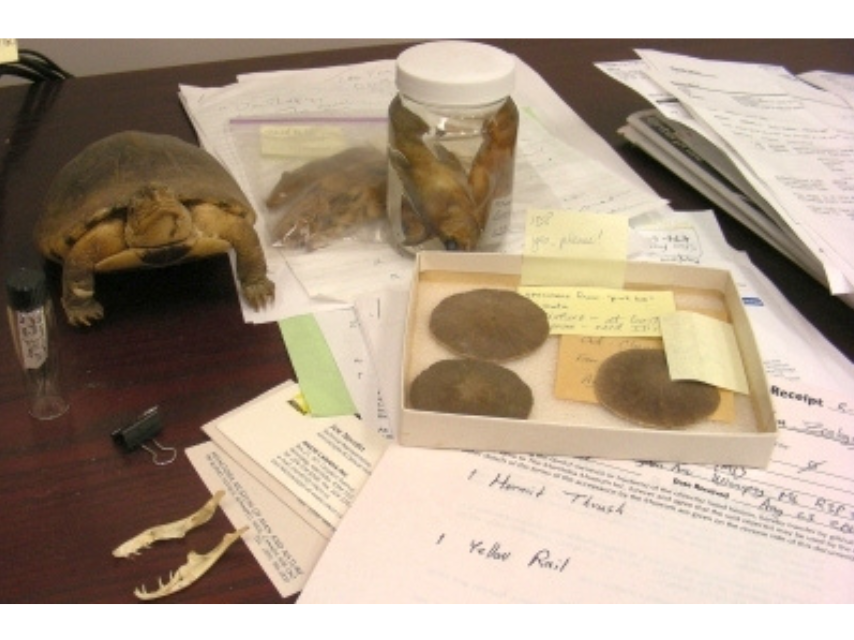
As I sit at my desk being stared at by a stuffed turtle surrounded by sand dollars, Australian mice, gut contents of a snake, Indo-Pacific fishes, a set of lizard dentaries, and a donation form for a frozen hermit thrush and yellow rail, it occurred to me that many of the typical tasks of curators would be considered atypical, if not downright bizarre, for anyone not working in a natural history museum.

For example, I just got off the phone with someone who was thinking about donating a taxidermied wolf. We frequently receive offers of wolf and bear rugs, various African animal skins, skulls and bones, along with window-killed birds. Before we accept any one of these interesting and generous offers, I need to determine if it meets the mandate of the Museum, is in good condition with quality data, has been legally obtained, fills a gap in our collections or might meet an exhibit need, as well as take into consideration storage issues (is there enough space, do we have the resources to maintain the item properly over the long term).

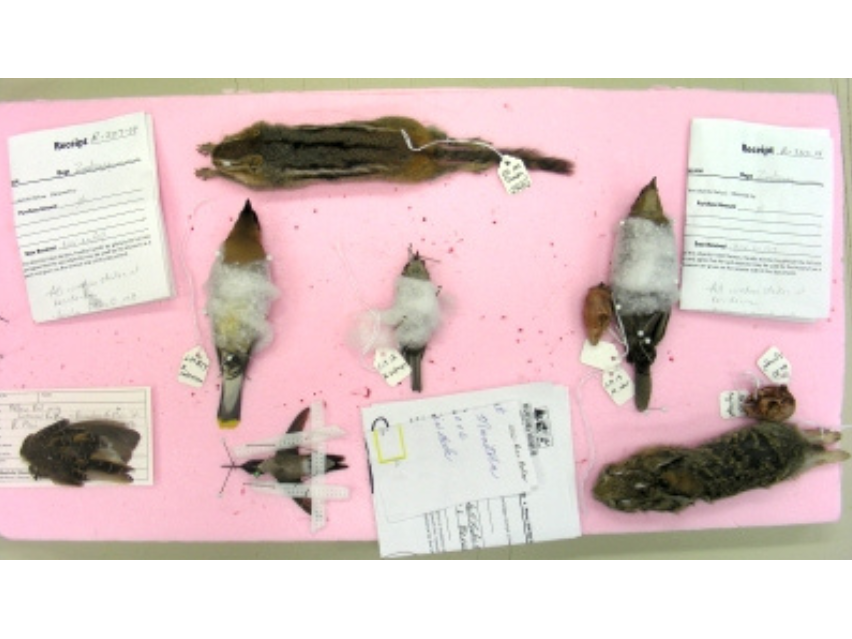
Earlier today, I took a baby rabbit out of the freezer that was such a donation last year. It needs to thaw so that a university student volunteer can make a study skin to add to the collection. The student is gaining a museum skill and learning mammal anatomy, experience useful in her pursuit of a science career studying mammals; the Museum gets some specimen preparation gratis.

A variety of specimens on a desk top amongst various paperwork.

Among the desk clutter: Australian mice, Indo-Pacific fishes, a stuffed turtle, sand dollars, a vial of snake gut contents, and a donation form for a yellow rail and hermit thrush.

A variety of birds and small mammals pinned out on a light pink board along with some paperwork identifying the specimens.

A series of study skins of birds and mammals prepared by volunteers pinned out on a foam board. The cottontail is on the bottom right.

Another phone call comes in: how long do monarch butterflies stay in the chrysalis before hatching? [About two weeks.]

Everyone gets e-mail. But one of mine involves obtaining an old Marsh Wren nest from Oak Hammock Marsh to replace one in an exhibit that was damaged. They know of some nests, when can I come out and pick it up? Another e-mail is from a colleague at The Natural History Museum in London dealing with the visit of my PhD student to his molecular lab where she was extracting DNA of a genus of goby found on coral reefs throughout the Indo-Pacific.

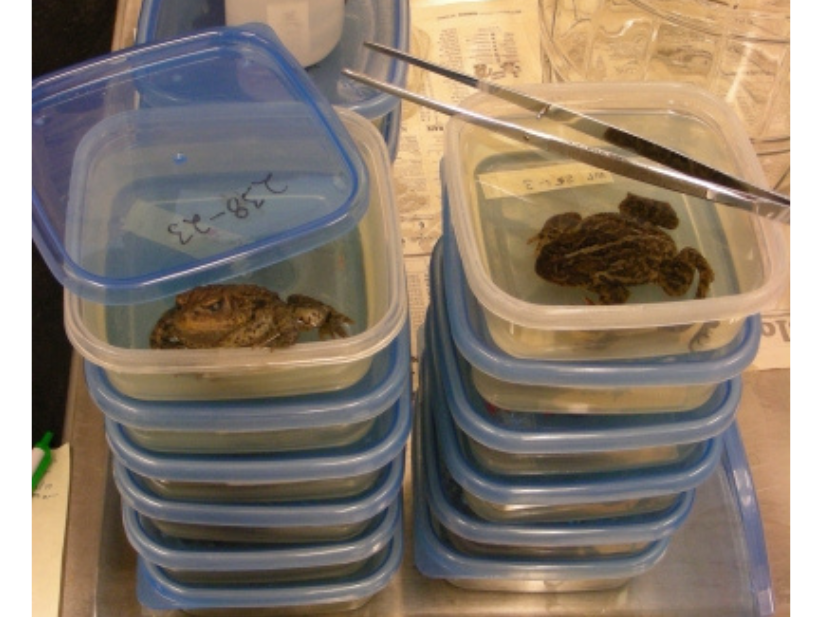
Two stacks of small clear plastic containers with blue lids. The top to lids are ajar, showing toad specimens inside each.

In the wet lab here, I just changed the fluid for a series of toads I collected in the Interlake during the spring. The switch from formalin (a nasty fixative) to 70% alcohol will ensure their long-term preservation and make them easier to use for anatomical studies examining the northern hybrid zone between American and Canadian toads. Next up is preparing specimens of Hudson Bay brachiopods for a loan to an eastern Canadian researcher looking at chemical composition and climate change.

Now to get back to correcting the page-proofs so I can get that  paper on colour variation in garter snakes published… or maybe I should review the new text panels for the snake den exhibit.

So, what did you do today?


Image: A series of toads collected in the Interlake last spring being prepared for addition to the permanent collections.

Dr. Randy Mooi

Dr. Randy Mooi

Curator of Zoology

Dr. Mooi received his Ph.D. in zoology from the University of Toronto working on the evolutionary history of coral reef fishes. Following a postdoctoral fellowship in the Division of Fishes of the Smithsonian Institution…
Meet Dr. Randy Mooi

The Day the Birds Took Over the Beach

I was out on Victoria Beach after Labour Day looking for more bugseeds and it was like a scene from an Alfred Hitchcock movie or episode of that documentary “Life After People”.

When I visited Victoria Beach before it was full of families and buff teenagers laying on brightly coloured towels or cavorting happily in the water. Now the only signs of any human presence at all were the occasional empty pop cans, discarded sandals, and cast off fluorescent pool noodles. It was like humanity had vanished off the face of the earth and I was destined to live out my final days as the last member of our species. The gulls were sitting quietly on the rocks by the shore, masters of all they surveyed. They looked rather smug, presumably with satisfaction that the human squatters were finally gone, leaving them in peace once more. Or perhaps I was just imagining it.

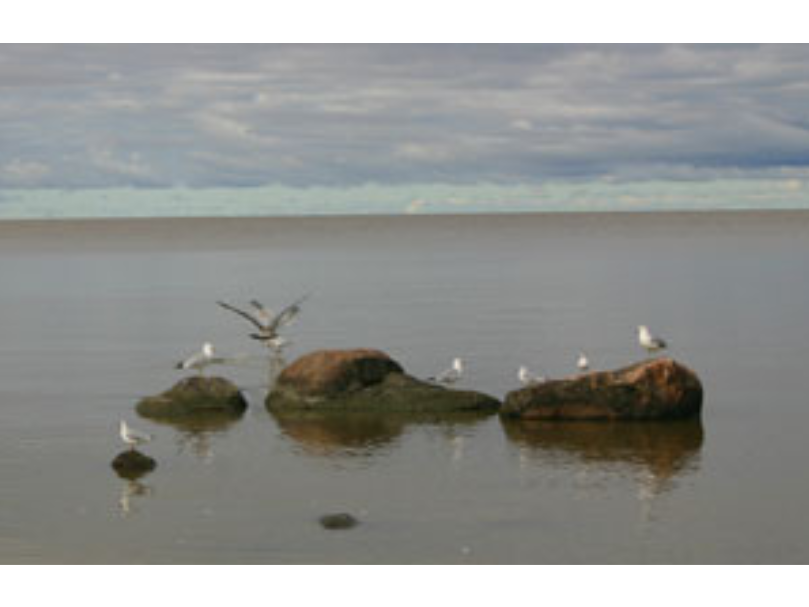
A small group of sea gulls perched on and flying around some rocks sticking out of the lake.

Gulls and shorebirds were the only denizens of Victoria Beach on September 8th.

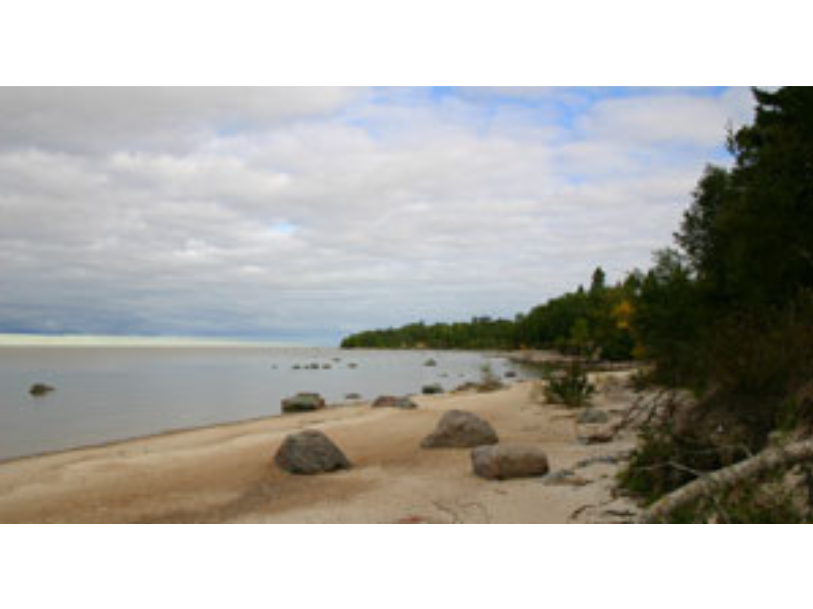
Empty shoreline of a lake with rocks scattered about the sand and dense trees on the edge of the sand.

A deserted Victoria Beach.

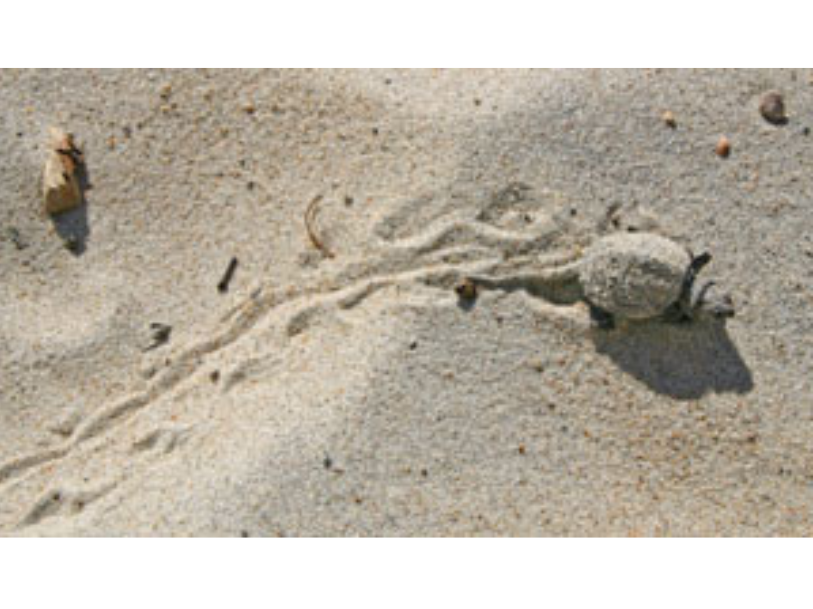
Later in the week while out at an equally deserted Grand Beach I was puzzled to find an odd animal track in the sand that I had never seen before: tiny little footprints and a pronounced tail mark. The tracks looked fresh so I figured that if I just did a bit more investigating I’d find the culprit. I was eventually overjoyed to find a tiny baby snapping turtle, only about 8 cm long from head to tail tip. He/she was probably only a few weeks old and heading to the lake to find a nice muddy spot to bury him/herself in for the winter. I’m sure that the journey from the marsh to the lake was easier without hundreds of sunbathers to crawl around or harass it.

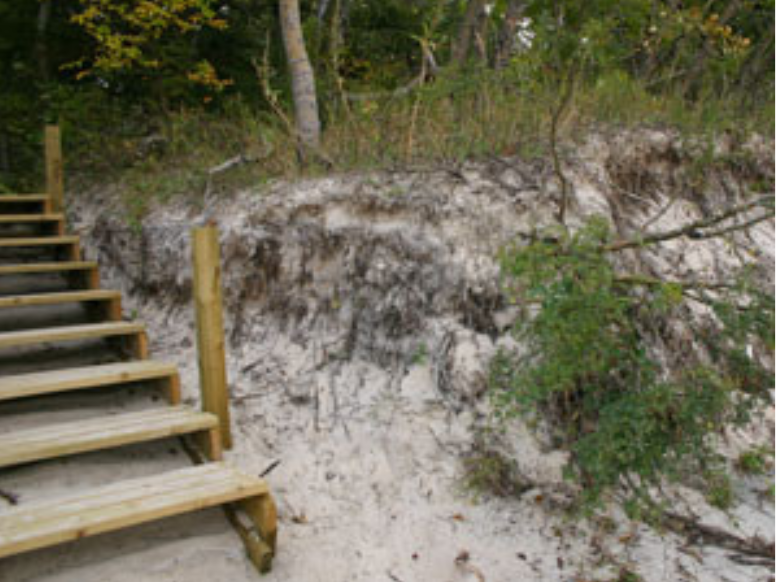
The absence of people made my task a lot easier as well as I could hike through the dunes without being fearful of barging in on any scantily clad young couples hoping for a few moments of privacy. I set out early in the morning to hike along shore and see if I could find some bugseeds in the sand dunes. Fortunately, it didn’t take long. I had just reached the beach and was bending over to tie my shoe when voila there it was on the eroding bank right next to the stairway. If only all my field work could be that easy! Anyway I spent the rest of the day walking along the beach to determine how widespread the species was. So this trip resulted in the rediscovery of two populations of bugseeds in the area and two new records of bugseeds at Traverse Bay and Grand Beach. Now it’s back to the laboratory to prepare my plant collection for processing and try to make some sense out of my field notes.

A small turtle crawling along the sand leaving behind foot prints and tail tracks.

This baby snapping turtle was only 8 cm long.

View of wooden steps coming up from the beach shoreline.

Where I found some American Bugseed.

I’m sure the birds were happy to see me go.

Dr. Diana Bizecki Robson

Dr. Diana Bizecki Robson

Curator of Botany

Dr. Bizecki Robson obtained a Master’s Degree in Plant Ecology at the University of Saskatchewan studying rare plants of the mixed grass prairies. After working as an environmental consultant and sessional lecturer…
Meet Dr. Bizecki Robson

Bagging Bugseeds

For the last several weeks I’ve been climbing over sand dunes, hiking over hills and sauntering along beaches in pursuit of bugseeds. What are bugseeds you may wonder? They are a group of annual plants that grow in sandy habitats. Up until fairly recently, they were thought to be weeds introduced to North America from Europe. Recent research revealed that they are in fact native to the Americas. After studying herbarium specimens from all over Canada, I realized that some of the species may be rare. Since most specimens of bugseed were collected 40 to 100 years ago, I decided to try to relocate the old populations to determine if the populations had disappeared or were still present.

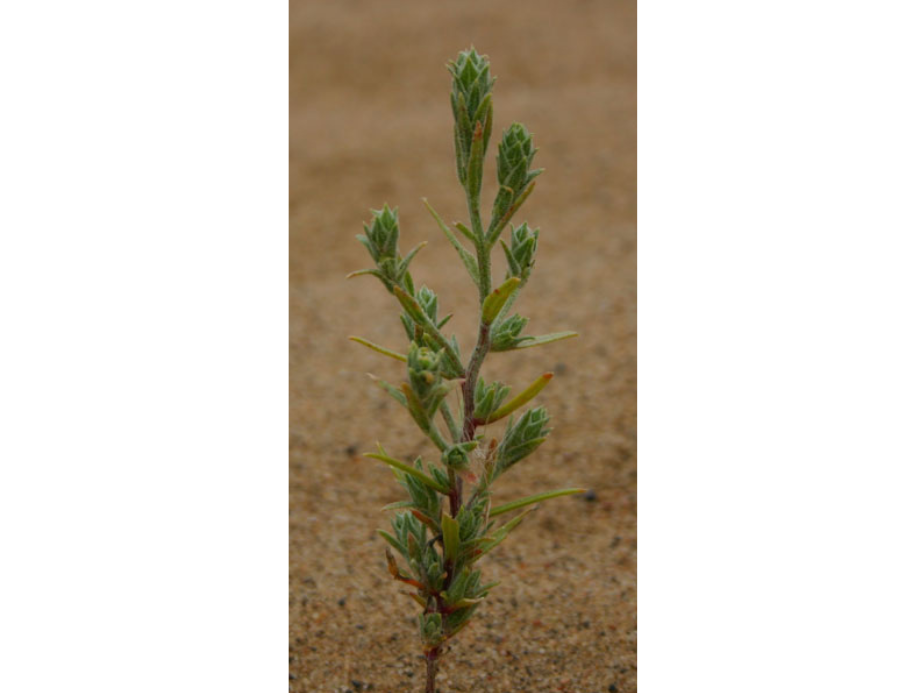
Close-up on a small green plant growing out of sand.

A rare Hooker’s Bugseed plant.

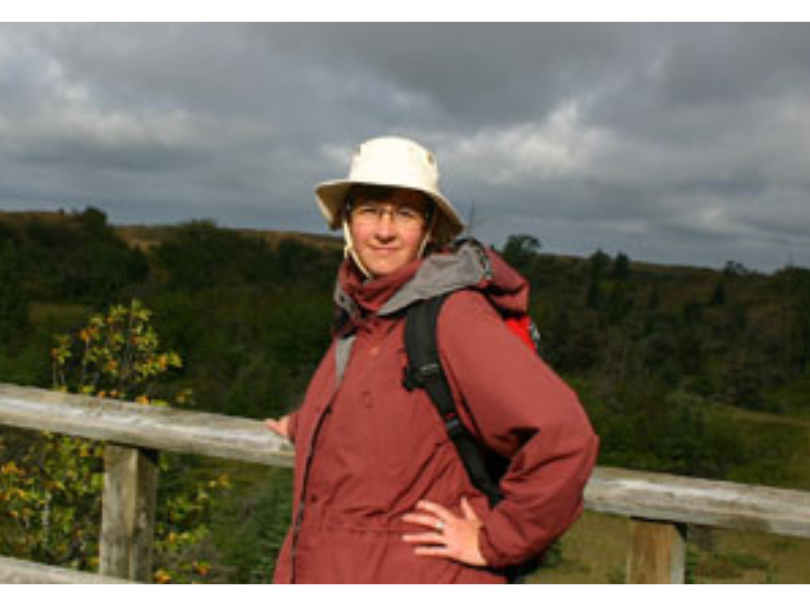
Dr. Diana Bizecki Robson wearing a rain jacket, wide-brimmed hat, and backpack standings at a wooden railing looking out over a treed landscape.

Standing on the lookout platform at Spruce Woods Provincial Park.

My first few days of field work were spent north of Glenboro in Spruce Woods Provincial Park and Canadian Forces Base Shilo. American bugseed was locally common at Shilo due to it’s tolerance and even preference for, areas with some disturbance. I found it on sandy roads, cutaways into sandy hills, bladed trails, and old sand pits as well as on sand dunes and natural blowouts. Hooker’s bugseed, on the other hand, was found in only one spot in the whole province: firm wind-swept dune blowouts in Spruce Woods Provincial Park. Hairy bugseed was also found on natural dune blowouts in the park and at Shilo. At several sites, particularly along railroads, the bugseeds appear to have been extirpated, their likely habitat taken over by exotic weeds like Russian thistle and Lamb’s quarters.

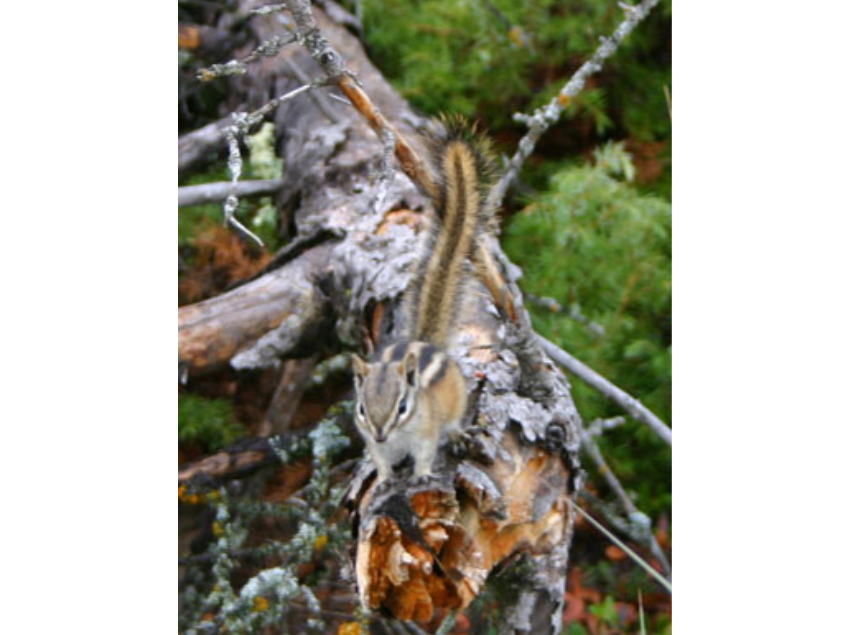
A striped chipmunk on a fallen log.

This little guy posed nicely for my camera.

A white frilly fungus growing on wood.

A lovely Branched Hericium fungus I found.

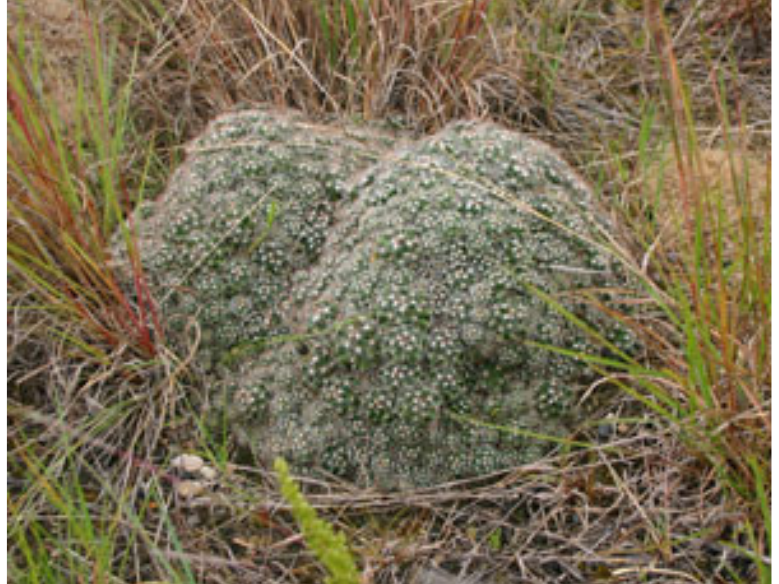
A lumpy prickly cactus growing among grasses.

A huge pincushion cactus I saw.

One of the things I love about doing field work is the opportunity to see interesting plants and animals while I’m searching for rare plants. I saw a tiny little chipmunk on a fallen spruce tree, very kindly posing for the camera for me. In a little bluff of trees I was thrilled to finally encounter a specimen of Branched Hericium (Hericium ramosum) growing on a rotting log. I’ve been looking for that species for years. I was also astounded to find the largest pincushion cactus (Coryphantha vivipara) that I’ve ever seen (about 25 cm high and 60 cm in diameter). So despite the windy weather that whipped sand in my face and made me feel like I could become airborne, it was an interesting and successful week.

Dr. Diana Bizecki Robson

Dr. Diana Bizecki Robson

Curator of Botany

Dr. Bizecki Robson obtained a Master’s Degree in Plant Ecology at the University of Saskatchewan studying rare plants of the mixed grass prairies. After working as an environmental consultant and sessional lecturer…
Meet Dr. Bizecki Robson

Gear

By Dr. Graham Young, past Curator of Palaeontology & Geology


Last week, in the lab next to my office, we finished sorting and putting away the remainder of the gear from this summer’s field expedition. As you might expect, there were hammers, chisels, and field bags, the basic necessities for collecting fossils from hard limestone bedrock. But in addition to these, we washed multiple pry bars, shovels, geo-tools (mattocks), knee pads, and gloves. We sorted tool boxes, whisk brooms, insect repellent, bug jackets, camera equipment, permanent markers, pencils, tarpaulins, metal tags, wires, nails, coolers, and thermoses, and filed away long-life food items to await our next field season.

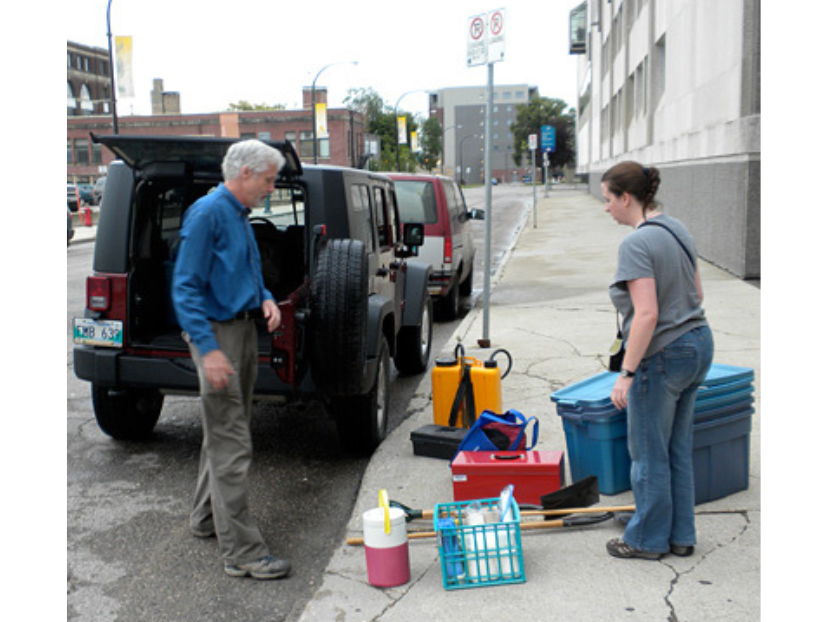
Two individuals with a variety of packs and bins of gear on the sidewalk next to a Jeep with an open back hatch.

Outside the Museum door, Debbie Thompson (R) and I are contemplating how to fit gear into a Jeep as we prepare for 2010 fieldwork in the Grand Rapids Uplands. (photo © David Rudkin, Royal Ontario Museum)

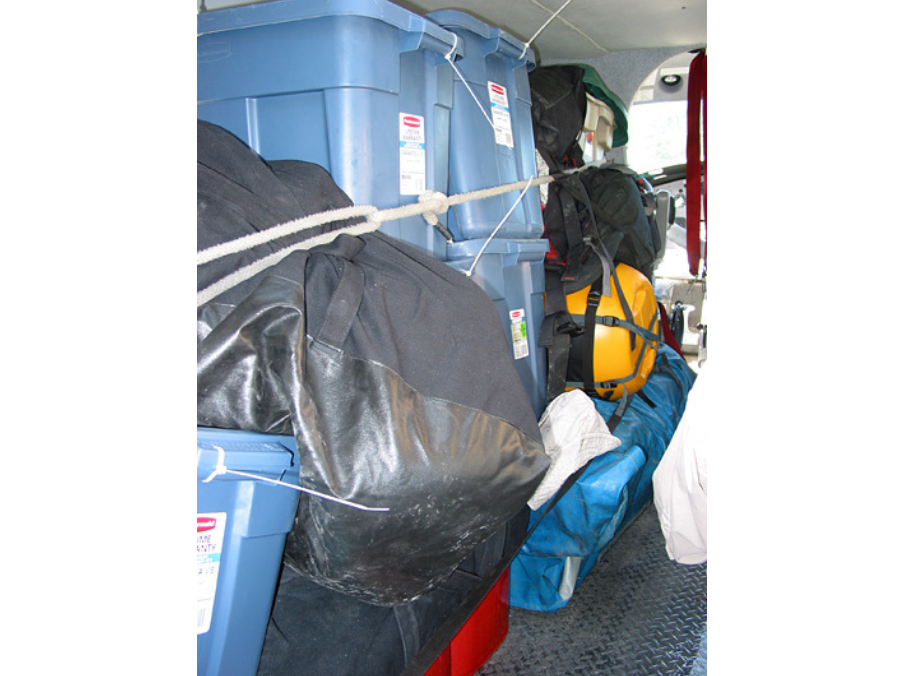
Tightly packed and bound gear in the back of a floatplane. Bins and bags are tied to the left side with some ropes.

The field gear jams one side of an Otter floatplane, on the way to our camp at McBeth Point, Lake Winnipeg (August, 2006).

I often hear from people outside the “business” that it must be a lot of fun to do paleontological fieldwork. Of course it is, but many of those people probably don’t realize that a collecting trip carried out any distance from the Museum can be a very complex operation, one that may require almost military planning. When I started this sort of work, I certainly didn’t realize that I would have to become a “master of gear”. Depending on the type of fieldwork, we have had to become familiar with items as disparate as a firefighter’s backpack sprayer, a laser levelling survey device, and a Zodiac boat.

I am always fortunate that other people (Ed Dobrzanski in particular) take on a lot of the hard work of assembling field gear, but as I am often the leader of the field party, it is up to me to ensure that we have the requisite tools, food, and transportation. And woe betide me if I forget some of the more “subtle” essentials such as toilet paper!

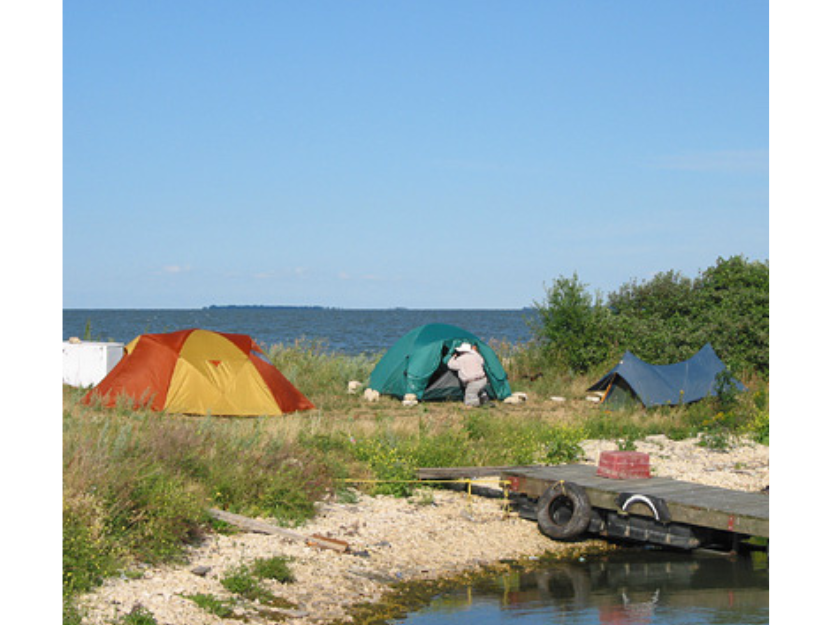
Three tents set up on a grassy space near water near a dock.

Our tents are set up on the shore at McBeth Point in summer, 2006.

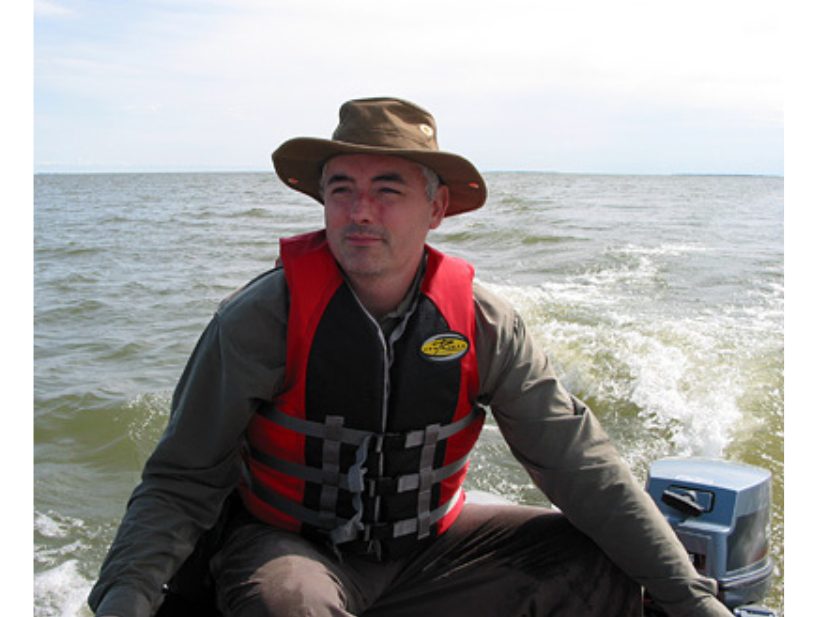
An individual wearing a brimmed hat and a red and black lifejacket steering the motor of a boat on a lake.

Sean Robson pilots the Museum’s Zodiac on the broad waters of Lake Winnipeg’s north basin.

Of course, all of the gear experience can have its practical advantages. I feel that I have nearly expert knowledge when it comes to selecting cold chisels or hammers. I know which types of tents are likely to stand up to heavy winds (and, more importantly, which ones aren’t!). I know how to enter and exit a helicopter or a float plane, and can shoot a cracker pistol to ward off bears. I can assemble a Zodiac boat from a few packages of unlikely looking parts. Not without bruising and bleeding, occasionally, but at least I am capable of practical and potentially useful tasks that may seem unlikely for someone in an academic discipline.

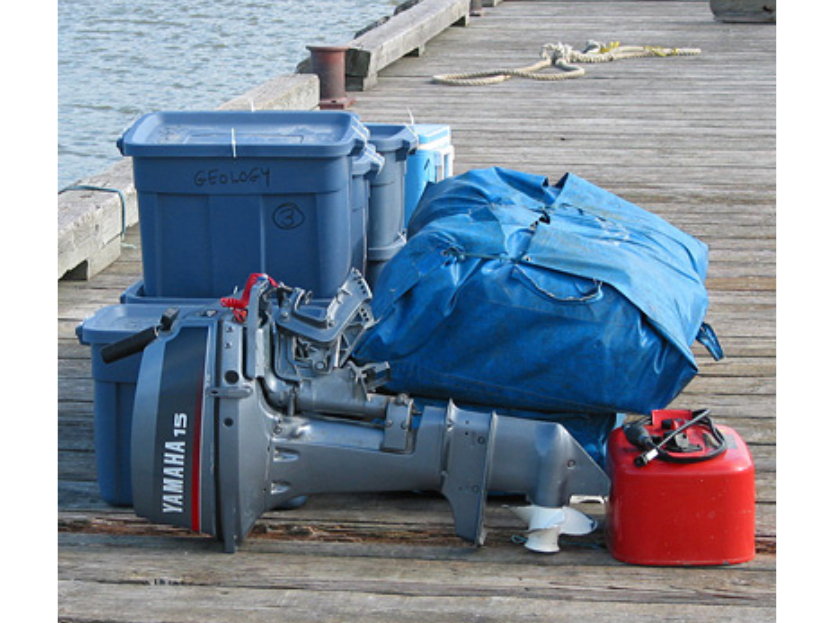
Pile of gear and a boat motor stacked on the dock of a lake.

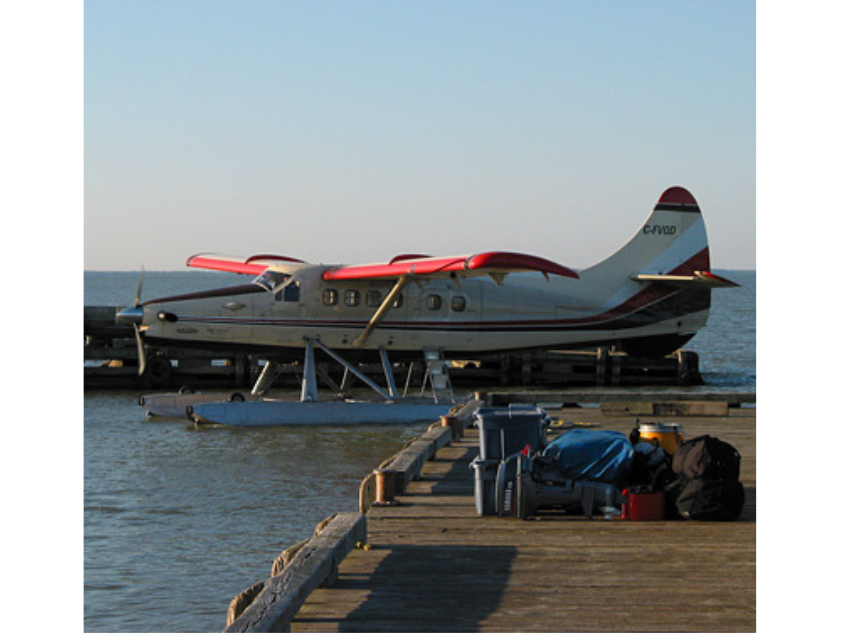
A float plane on the water near a dock, on which there's a pile gear and a boat motor.

A mound of gear on the dock at McBeth Point awaits the arrival of a turbo Otter (below) for the return trip to civilization. As it turned out, winds prevented the Otter from tying to the dock, and we had to carry the hundreds of kilos of gear all the way around the harbour and load from the float!

Lily St. Storage Move

Collections and Conservation staff are busy dealing with a problem in our Lily St. storage location. A water pipe broke in the washrooms in the basement, putting water on the floor in several areas where collections are stored. Because the building is not going to be repaired (it’s slated for demolition sometime soonish) our landlords, Manitoba Centennial Centre Corporation (MCCC) want us to clear out the basement and close access to that level permanently. We were planning to pack everything up anyway for the move to a new (as yet unidentified) offsite collections storage location, but this acceleration of our schedule is a challenge.

The water has been shop-vacced up and fans are running 24/7, but the inevitable high humidity has unfortunately spawned some mould and corrosion on artifacts. We are isolating affected items and they will be cleaned before we wrap and pack them. Curators have been confirming all items that must be removed, including equipment and supplies. Collections go out first, though. Because we don’t have a new storage building yet, the bulk of artifacts will go just a short trip up to the main floor, where we are monitoring the humidity.

Human safety is the highest priority, so we’re donning lab coats, nitrile gloves, and dust masks (N95, against dusts and mists) as we work.

Not quite a crisis, but certainly a challenging project to complete ASAP. And it keeps raining; although sunny skies are predicted for the next few days. Stay tuned for a happy ending – I hope.