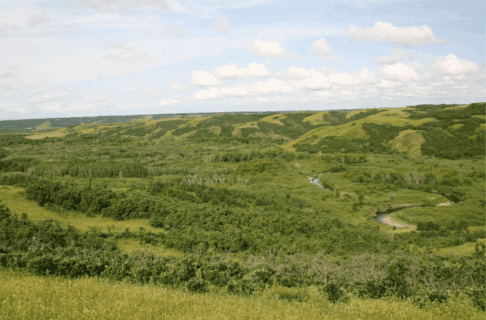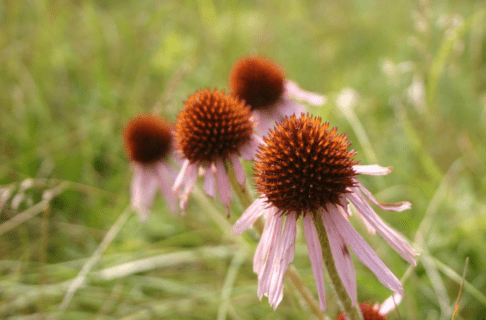



Manitobans depend on healthy ecosystems for oxygen, flood control, food production, water purification, carbon storage, and economic and recreational activities, like forestry and tourism. Healthy ecosystems contain a diverse mixture of thousands of plant and fungal species. But, due to overexploitation, climate change, exotic species introductions, and pollution, our ecosystems are changing, and some species are becoming endangered.
To protect ecosystems, we need to know how they are put together, and how environmental changes may impact them. The purpose of the Museum’s botanical research is to better understand the composition, structure, and resiliency of plant and fungal communities, and how they interact with animals and microorganisms. Past research projects include the pollination ecology of prairie plants, fire ecology in the boreal forest, and the distribution of poorly known plant groups such as Bugseeds (Corispermum) and Water-lilies (Nymphaea). The abundance, distribution, and ecology of nationally rare plants, including Buffalograss (Bouteloua dactyloides), Small White Lady’s-slipper (Cypripedium candidum), Smooth Goosefoot (Chenopodium subglabrum), Western Prairie Fringed Orchid (Platanthera praeclara), and Western Silvery Aster (Symphyotrichum sericeum), has also been a major focus.
The botany collection at the Manitoba Museum contains over 50,000 preserved plant (i.e. ferns, mosses, flowers, trees, shrubs, etc.) and fungal specimens (i.e. mushrooms and lichens), representing over a third of all species in these groups in Manitoba. The collection includes over 2,200 specimens of wood obtained from all over the world, one of the largest collections of its kind in Canada. The Museum also houses about 15,000 specimens from the Whiteshell Nuclear Research Establishment herbarium in Pinawa, which closed in 1988. Scientists use the Manitoba Museum’s extensive collection of plants and fungi to understand how the province has changed over time, and how we can protect vulnerable species and ecosystems from extinction.
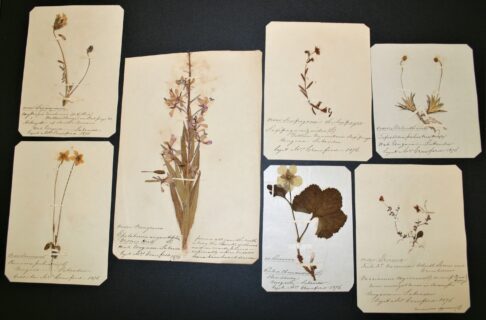
Old herbarium specimens, such as these ones from Labrador collected in 1876 by Mrs. (Elizabeth) Crawford, help scientists understand how the environment and climate have changed over time. Image © Manitoba Museum
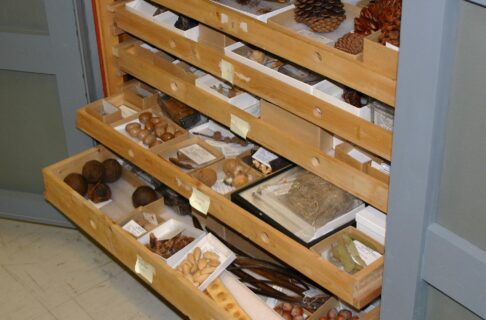
The botanical collection at the Manitoba Museum includes three-dimensional specimens of cones, fruits, fungi, lichens, mosses, nuts, seeds and wood from all around the world. Image © Manitoba Museum
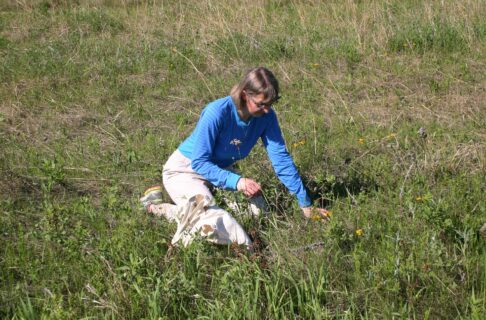
Curator of Botany, Dr. Diana Bizecki Robson conducts field research on wild plants and their pollinators at many prairie preserves, including Birds Hill Provincial Park. Image © Manitoba Museum
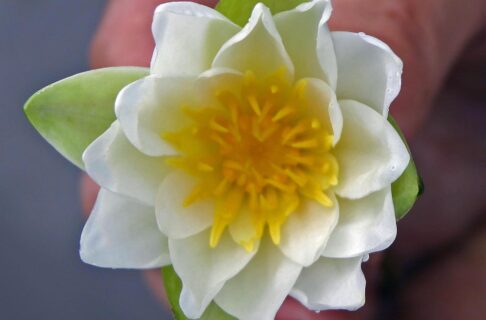
The Museum’s Curator of Botany, Dr. Diana Bizecki Robson helped to document the existence of the new Canadian endemic species, Lori’s Water-lily (Nymphaea loriana). Image © Manitoba Museum
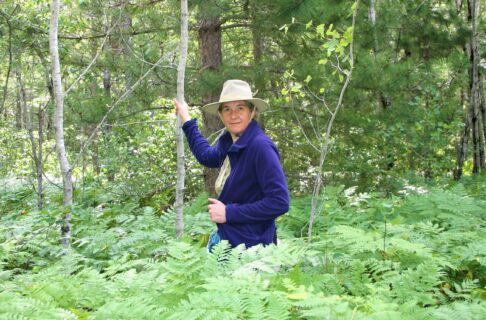
Curator of Botany, Dr. Diana Bizecki Robson, searches for and studies rare plants all over Manitoba, including Grand Beach Provincial Park. Image © Manitoba Museum
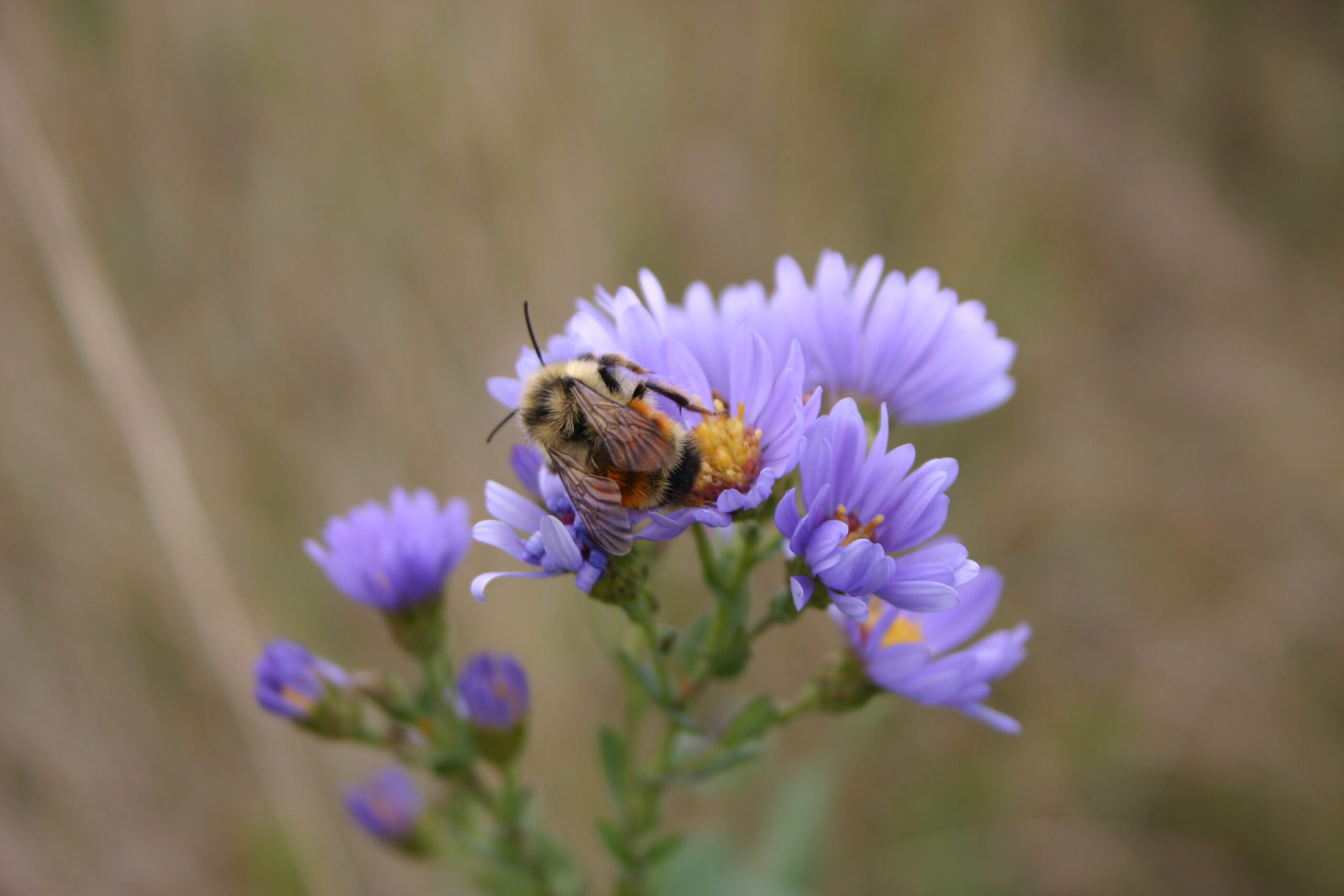
Prairie Pollination
Get to Know your Wild Neighbours!
Two-thirds of our crop species worldwide depend on wild pollinators to some degree. Those pollinators need more than just crop plants to survive – they need wild plants too! Staff at the Manitoba Museum have been quietly studying pollinators for over a decade.
Museum Stories: Botany